Founded on Diversity: The Purpose of Tree Services in Forming Inclusive and Flourishing Urban Landscapes
The integration of tree services in urban landscapes demonstrates a commitment to community engagement and diversity. These services serve a vital function in enhancing green spaces through the strategic choice of native species and educational workshops. By encouraging a sense of ownership among residents, they contribute to stronger community ties and improved biodiversity. However, the total influence of these initiatives on mental health and urban sustainability is yet to be discovered. What additional transformations might these efforts encourage?
Urban Green Spaces: Enhancing Mental Health and Community Engagement
Whereas the presence of urban green spaces might appear merely decorative, research has demonstrated that these spaces considerably boost mental health and foster social engagement. Studies show that spending time in parks and gardens can reduce stress and anxiety levels, promoting overall health. The natural environment promotes physical activity, which is linked to improved mood and cognitive function.
Furthermore, urban green spaces function as communal hubs where social interactions flourish. They offer venues for community events, recreational activities, and informal gatherings, fostering connections among comprehensive resource residents. These spaces allow diverse groups to come together, boosting social cohesion and encouraging inclusivity.
Moreover, exposure to nature has been proven to increase concentration and innovation, benefiting both residents and local areas. Consequently, urban green spaces do more than just enhance the appearance of cities but also play an essential role in supporting mental wellness and reinforcing community bonds.
The Way Tree Services Enhance Urban Biodiversity
As urban areas expand, tree services fulfill a vital purpose in promoting biodiversity by thoughtfully establishing and caring for trees that support multiple ecosystems. These services assist with the creation of green corridors, which enable the movement of wildlife and encourage genetic diversity among species. By choosing native tree species, tree services guarantee that the local flora and fauna flourish, offering habitats for birds, insects, and other wildlife.
Moreover, tree services promote the health of urban soils, strengthening their structure and nutrient content through root systems and leaf litter. This, in turn, sustains a diverse array of microorganisms essential for a balanced ecosystem. Additionally, the presence of trees enhances air quality, alleviating urban heat and creating microclimates that benefit diverse plant and animal life. To summarize, effective tree services not only improve the aesthetic value of urban landscapes but also play a vital role in fostering urban biodiversity.
In What Ways Do Tree Services Bring Communities Together?
Tree services serve a critical purpose in cultivating community participation through efforts that motivate residents to take part in tree planting and upkeep. These projects not only enrich verdant spaces but also deliver opportunities for nature education, supporting residents in comprehending the role of trees in urban landscapes. Through assembling people around a shared mission, tree services solidify community ties and cultivate a common dedication to environmental protection.
Community Participation Projects
In what ways can tree services foster a sense of community in urban environments? Tree services serve a crucial function in advancing community engagement initiatives that bring together residents. They regularly organize tree planting events, allowing neighbors to collaborate on improving their shared spaces. These activities not only improve the environment but also foster relationships among participants, promoting a sense of ownership and pride. Tree services may also host workshops and training sessions, teaching residents about the significance of trees and their care. Such initiatives motivate community members to work together, share knowledge, and advocate for their urban landscape. By uniting residents around a common goal, tree services help create cohesive communities that reinforce community bonds and encourage collective stewardship of local green spaces.
Nature Education Programs
Environmental learning programs delivered by tree services work as a valuable tool for fostering community unity in urban locations. Such initiatives nurture teamwork between community members, neighborhood organizations, and tree care experts, developing a common recognition of trees' ecological role. Participants engage in hands-on activities such as tree planting, maintenance workshops, and nature walks, which enhance community bonds and environmental awareness. Such programs commonly accommodate different community segments, securing equal opportunity and widening engagement. Through instructing community members about metropolitan forestry and its importance, such programs motivate collective involvement in safeguarding their vegetated spaces. Ultimately, environmental education programs not only strengthen community ties but also cultivate a sense of responsibility towards maintaining a sustainable urban ecosystem.
Leading Techniques for Comprehensive Tree Planting and Care in Varied Communities
Although urban landscapes typically feature diverse tree species, inclusive tree planting and care call for a collaborative approach that respects the diverse needs of communities. Including local residents in the planning process encourages a sense of ownership and ensures that the selected tree species suit cultural values and environmental conditions. Community workshops can help identify preferred tree types, while also teaching participants about their advantages.
In addition, it is crucial to factor in accessibility in tree care practices. Routine maintenance, such as pruning and watering, should engage community members to promote stewardship and connection to the urban environment. Forming partnerships with local organizations can improve resources and outreach efforts, guaranteeing that all voices are heard. By placing priority on inclusivity in tree planting and care, urban landscapes can become lively spaces that reflect the rich diversity of their communities and contribute to wider ecological health.
Real-World Examples: Downtown Areas Restored Through Professional Tree Care
Metropolitan areas have experienced significant transformations through devoted tree services that focus on community engagement and ecological health. In numerous cities, tree services have revitalized neglected neighborhoods by planting varied species that boost aesthetic appeal and enhance air quality. For instance, in a formerly bare area of Detroit, cooperative efforts led to the planting of over 1,000 trees, creating green spaces that promote community interaction and pride.
In the same way, in Los Angeles, tree services collaborated alongside local residents to create urban forests that serve as educational hubs for biodiversity, promoting environmental stewardship among youth. These initiatives have not only expanded tree canopy cover but also tackled social inequities, securing that all community members gain from green infrastructure. Through strategic partnerships and outreach, tree services have productively transformed urban landscapes into flourishing, inclusive environments, revealing the profound impact of trees on community wellness and ecological resilience.
Rising Breakthroughs in Tree Services for Urban Sustainability
Emerging innovations in tree services are revolutionizing urban sustainability through the incorporation of smart tree management technology, environmentally conscious pruning methods, and community engagement initiatives. These advancements work to enhance the health of urban trees while reducing environmental impact. By promoting collaboration among stakeholders, cities can develop greener, more resilient landscapes.
Intelligent Tree Management Technology
Advanced technological solutions are revolutionizing the landscape of tree management, improving sustainability efforts in cities. Smart tree management systems utilize data analytics, remote sensing, and GIS mapping to monitor tree health, growth patterns, and environmental conditions. These systems permit urban planners and arborists to make data-driven decisions concerning tree maintenance, planting, and removal. Furthermore, mobile applications empower citizens to report problems, encouraging community engagement in urban forestry. Drones outfitted with cameras can survey large urban areas rapidly, pinpointing areas in need of attention. In addition, IoT sensors supply real-time data on soil moisture and nutrient levels, guiding efficient resource allocation. Overall, these advancements are vital in promoting healthier urban ecosystems and ensuring the longevity of urban trees, contributing to resilient city landscapes.
Eco-Friendly Pruning Techniques
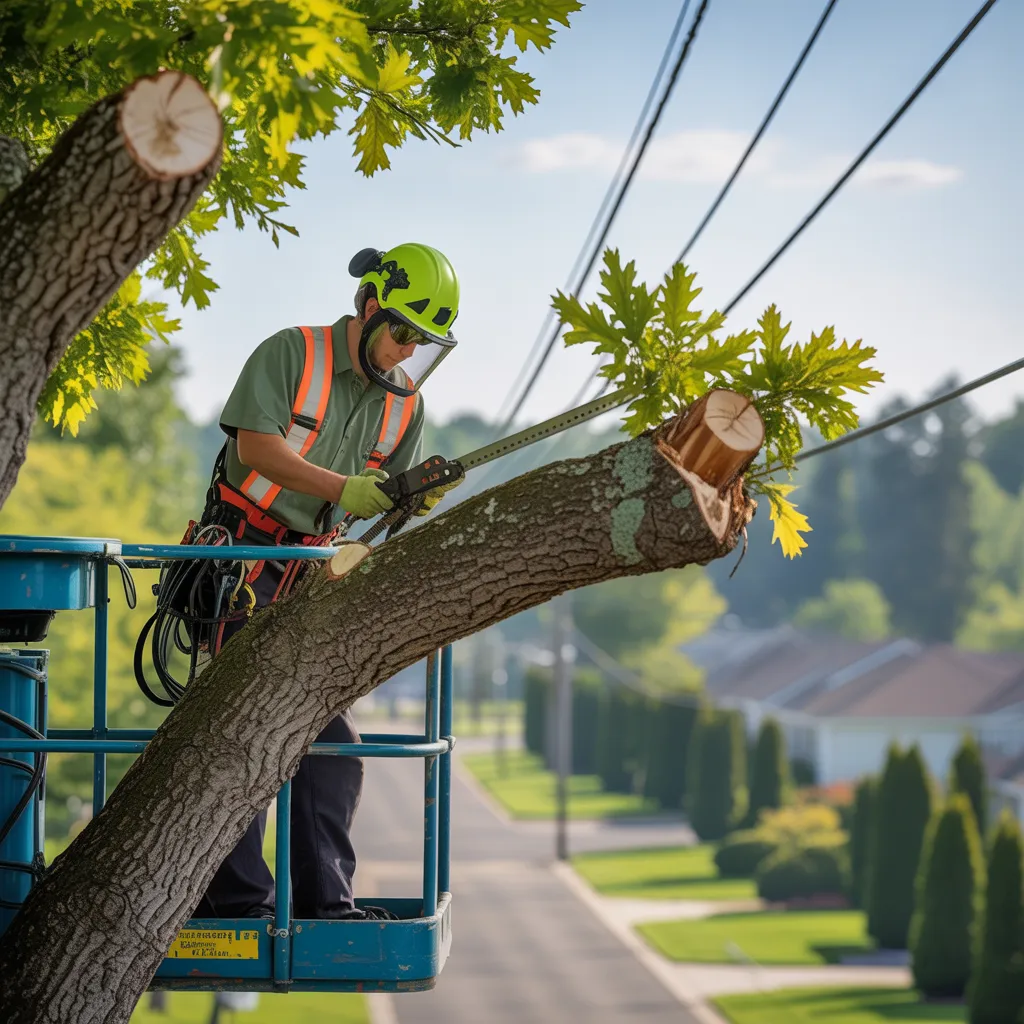
As urban areas progressively embrace smart tree management technologies, attention is turning to the importance of eco-friendly pruning techniques in sustaining urban forests. These techniques emphasize the health of trees while minimizing environmental impact. Innovations such as selective pruning, which involves removing only specific branches to enhance light penetration and air circulation, help alleviate stress on trees. Additionally, the use of biodegradable pruning equipment reduces waste and promotes sustainability. Arborists are also examining organic pest control methods during pruning, ensuring that the ecological balance is protected. Moreover, employing specialized pruning schedules based on seasonal growth patterns improves tree resilience. By integrating these eco-friendly practices, urban tree services significantly support the sustainability and longevity of urban green spaces, cultivating healthier communities.
Local Engagement Activities
A wide range of community engagement initiatives are transforming the landscape of urban tree services, building a sense of shared responsibility for green spaces. Local organizations and municipalities increasingly include residents in tree planting, maintenance, and educational programs. Workshops on tree care and biodiversity highlight the importance of urban forestry, encouraging participants to take active roles in their environments. Citizen science projects, such as tree inventories, empower community members to contribute valuable data while reinforcing their connection to local ecosystems. Collaborations with schools and youth programs enhance awareness about the ecological benefits of trees, cultivating future stewards of nature. Through these initiatives, urban tree services not only improve greenery but also strengthen community bonds, supporting sustainability and inclusivity in urban landscapes.
Questions & Answers
How Can I Find Local Tree Service Providers in My Area?
To locate local tree service professionals, consider the following options to check online directories, review customer ratings, ask for recommendations from nearby homeowners, or contact local horticultural societies for trustworthy services in the area. Comparing prices is also suggested.
What Are the Expenses Related to Tree Planting and Maintenance?
Financial considerations for tree planting and maintenance include acquiring saplings, soil amendments, tools, labor for planting, ongoing watering, pruning, pest control, and potential removal expenses. Prices vary according to tree variety and local service rates.
How Are Trees Able to Reduce Urban Heat Island Effect?
Trees help reduce the urban heat island effect by creating shade, decreasing surface temperatures, and enhancing evapotranspiration. Their presence enhances air quality and creates cooler microclimates, contributing to a more comfortable urban environment for residents.
What Are the Best Tree Types for City Landscapes?
Deciduous trees, such as maples and oaks, thrive in urban settings, providing shade and improving air quality. Additionally, evergreens like pines offer year-round greenery, enhancing aesthetics and promoting biodiversity in densely populated areas.
How Often Should Trees Be Pruned for Optimal Health?
For ideal health, trees need pruning every 3 to 5 years, depending on species and location. Consistent pruning stimulates growth, stops disease, and increases safety by removing dead or hazardous branches.